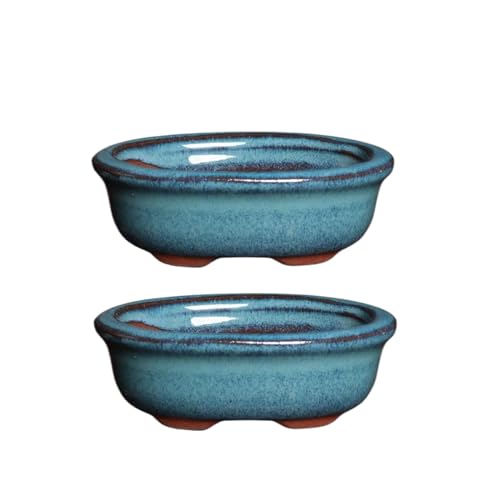
Expert Tips for Maintaining Your Plant Pots Year Round
As we navigate through 2026, the importance of maintaining plant pots cannot be understated. Proper care not only enhances the aesthetic appeal of your home but also contributes significantly to the health and longevity of your plants. Whether you are a seasoned gardener or a beginner, knowing how to care for your plant pots year round is vital for thriving greenery. This guide provides expert tips to ensure your plant pots remain in top condition regardless of the season.
Understanding the Basics of Plant Pot Maintenance
Maintaining plant pots involves several fundamental practices that contribute to the overall health of your plants. Firstly, selecting the right pot material is crucial. In 2026, materials such as ceramic, terracotta, and plastic are popular choices, each with their unique benefits. Ceramic pots offer excellent insulation for roots, while terracotta pots allow for better moisture evaporation, preventing overwatering. Plastic pots are lightweight and versatile, making them a favorite for indoor plants.
Another essential aspect is drainage. Ensure that your pots have adequate drainage holes. Without proper drainage, excess water can accumulate, leading to root rot, a common issue for many plant owners. In 2026, consider using potting mixes that provide adequate aeration and drainage. This will help maintain the right moisture levels for various plant types.
Seasonal Care Tips for Your Plant Pots
Seasonal changes bring different challenges for plant pot maintenance. During spring, many plants experience a growth spurt. This is an ideal time to re-evaluate your pots. If you notice that your plants are becoming root-bound, it may be necessary to repot them into larger containers. In 2026, this practice not only encourages healthy growth but also gives your plants more room to thrive.
Summer months can be harsh on plants, especially those kept outdoors. Regularly check the moisture levels in your pots. In 2026, using self-watering pots can be a game changer, allowing your plants to access water as needed without constant monitoring. For outdoor pots, consider moving them to shaded areas during extreme heat to prevent wilting.
People Also Look For:
- Oairse Set of 2 Ceramic Plant Pots 12CM 15CM Indoor Ceramic Planter with Drainage Holes and Saucers Tray Decorative Flower Pots Bl...
- YouGarden Hydrangea \'Runaway Bride\' (Approx 20/25cm Inc Pot). Climbing Hydrangea Plants Perfect for Pots and Hanging Baskets. Ou...
- RUDDINGS WOOD Set of 2 x 36\" (91cm) Large Metal Window Boxes - Garden Flower Wall Baskets - Wall Trough - Outdoor Hanging Window ...
- Tribesigns 5-Tier Tall Indoor Plant Stand, 70.9 inches Large Metal Plant Shelf with 10PC S Hanging Hooks, Multi-Purpose Flower Bon...
- Unibos Home and Garden 2 x Hanging Baskets 16\" Inch (40cm) Green Wire Plant Holder
As autumn approaches, prepare your pots for the cooler months. For outdoor plants, it is essential to bring them indoors or provide adequate insulation to prevent frost damage. A great method to protect your pots is to place them on elevated surfaces, avoiding direct contact with cold ground temperatures.
Winter can be particularly tough on plant pots. In 2026, consider using thermal insulation materials to protect your pots from freezing temperatures. Wrapping pots in burlap or using foam insulation can prevent root damage. Additionally, reducing watering frequency during winter is crucial, as plants require less water in dormant months.
Cleaning and Sanitizing Your Plant Pots
Regular cleaning and sanitization of your plant pots are critical to prevent diseases. In 2026, experts recommend cleaning pots at least once a season. Begin by emptying the pot of soil and plant debris. Use a mixture of water and vinegar or a mild soap solution to scrub the surfaces. Rinse thoroughly to remove all cleaning agents. This practice not only removes potential pathogens but also enhances the appearance of your pots.
Furthermore, when transitioning plants between pots, it is essential to sanitize used pots to prevent the spread of pests and diseases. This is particularly important if you are moving plants that have been affected by issues such as root rot or pest infestations. In 2026, keeping a dedicated set of clean pots for new plants can streamline this process.
Choosing the Right Soil and Fertilizers
The type of soil used in your pots plays a significant role in the health of your plants. In 2026, many gardeners are turning towards organic potting mixes that are rich in nutrients and beneficial microorganisms. These mixes promote healthy root development and enhance the overall health of your plants. Additionally, consider using slow-release fertilizers, which provide a steady supply of nutrients over time, reducing the need for frequent feeding.
When it comes to fertilization, understanding the needs of specific plants is essential. For instance, flowering plants may require more phosphorus, while leafy greens benefit from higher nitrogen levels. In 2026, utilizing tailored fertilizer solutions can significantly improve plant growth and yield.
Regularly testing your soil's pH and nutrient levels can guide your fertilization efforts. There are various testing kits available in 2026 that make this process straightforward. Adjusting soil conditions according to your plants' needs will yield better results and prevent nutrient deficiencies.
Watering Techniques for Optimal Growth
Watering is perhaps the most critical aspect of maintaining plant pots. In 2026, understanding the unique watering needs of different plant species is vital for success. For instance, succulents and cacti prefer drier conditions, while tropical plants thrive in consistently moist soil. Employing a moisture meter can help you gauge when your plants need water.
Consider the time of day when watering your plants. Early morning is often the best time, as it allows plants to absorb moisture before the heat of the day causes evaporation. Additionally, ensure that water reaches the roots adequately. A good practice is to water deeply but less frequently, encouraging deep root growth.
- Check the top inch of soil before watering.
- Use room temperature water to avoid shocking the roots.
- Avoid watering directly onto the leaves to prevent fungal diseases.
In 2026, incorporating smart irrigation systems or drip irrigation can further enhance your watering technique. These systems ensure that your plants receive the right amount of water consistently, making plant care easier and more efficient.