Five Mistakes to Avoid When Buying Outdoor Planters
As we enter 2026, outdoor gardening continues to gain popularity among homeowners and gardening enthusiasts. The right outdoor planters can transform any space, bringing life to patios, balconies, and gardens. However, purchasing outdoor planters is not as simple as it seems. Many buyers make critical mistakes that can hinder their gardening experience. Understanding these common pitfalls is essential for making informed decisions. This article delves into the five mistakes to avoid when buying outdoor planters.
Choosing the Wrong Material
When selecting outdoor planters, one of the most significant mistakes is opting for the wrong material. In 2026, various materials are available including plastic, ceramic, wood, and metal. Each type has its pros and cons that should be carefully considered.
For instance, while plastic planters are lightweight and often less expensive, they may not provide adequate insulation for plant roots during extreme temperature fluctuations. Conversely, ceramic planters offer aesthetic appeal and good insulation but can be heavy and prone to cracking in cold weather. Wood planters, while beautiful, can rot if not treated properly. Metal planters can heat up quickly in direct sunlight, potentially harming plants.
Before making a purchase, evaluate the climate in your area and the specific needs of your plants. This ensures that you choose a material that will support healthy growth and longevity.
Examples of Material Selection
- If you live in a warmer climate, consider using terracotta or ceramic for better moisture retention.
- In cooler regions, choose insulated materials like fiberglass or double-walled containers to protect roots from frost.
- For urban settings, lightweight plastic may be ideal for rooftop gardens where mobility is necessary.
Ignoring Drainage Needs
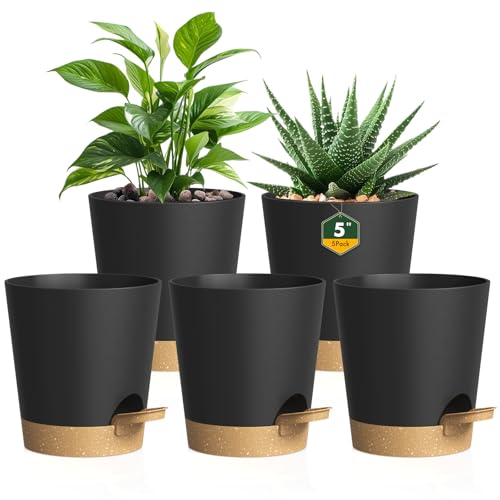
Another common mistake when buying outdoor planters is neglecting drainage. Proper drainage is crucial for plant health as it prevents root rot and other issues caused by excess moisture. In 2026, many planters come with built-in drainage systems, yet not all do.
People Also Look For:
- Oairse Set of 2 Green and White Ceramic Planter 12CM 10CM Ceramic Plant Pots Indoor with Drainage Holes and Saucers Tray Decorativ...
- Trendi®Easy Filling Hanging Baskets/Planters Black 14\"/ Indoor Outdoor Garden Porch Decoration With Chain 46cm (2 x Hanging Bask...
- Unibos Home and Garden 2 x Hanging Baskets 16\" Inch (40cm) Green Wire Plant Holder
- Olly & Rose Rome Terracotta Plant Pots Garden Planters Set 3 Indoor Outdoor Ceramic Plant Pots Round with Saucers
- CSENASON 3 Tier Fruit Basket Hanging,Fruit Basket Wall,Kitchen Storage,Handmade Basket Hanging Kitchen Boho Hanging Baskets,for Ki...
When selecting a planter, ensure it has adequate drainage holes. If it does not, consider adding them yourself. Additionally, using a layer of gravel or stones at the bottom of the planter can improve drainage. This simple step can make a significant difference in the health of your plants.
Drainage Solutions
- Check the bottom of the planter for drainage holes before purchasing.
- Consider using a potting mix designed for container gardening that provides good drainage.
- Regularly monitor moisture levels in the soil to avoid overwatering.
Overlooking Size and Space Considerations
In 2026, gardeners often underestimate the importance of size when selecting outdoor planters. A common mistake is purchasing planters that are either too small or too large for the intended plants. The size of the planter affects not only the growth of the plant but also its overall appearance in the garden space.
For example, small planters can restrict root growth, leading to stunted plants. On the other hand, excessively large planters can make smaller plants look lost and unbalanced. When choosing a planter, consider the mature size of the plants and the space available for them to thrive.
Size Recommendations
- For herbs, a planter that is at least twelve inches in diameter is often sufficient.
- For medium-sized plants like tomatoes, consider a planter that is at least fifteen to twenty inches wide.
- Large shrubs or small trees may require planters that are twenty-four inches or more in diameter.
Focusing Solely on Aesthetics
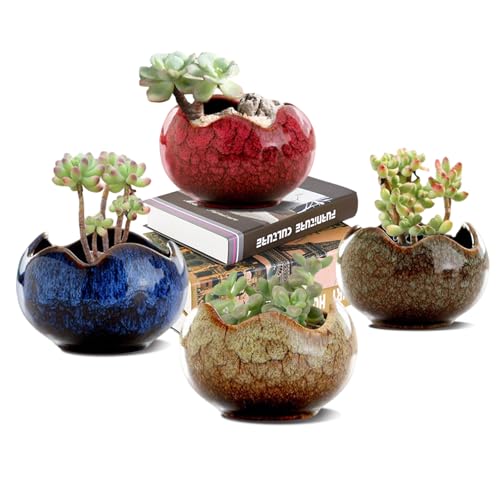
While aesthetics are an important factor when buying outdoor planters, focusing solely on appearance can lead to poor plant health. In 2026, it is essential to balance beauty and functionality. Planters that look great may not always provide the necessary conditions for plant growth.
When selecting a planter, consider aspects like material, drainage, and size before prioritizing visual appeal. A beautiful planter that does not support plant health will ultimately lead to disappointment.
Balancing Aesthetics and Functionality
- Look for planters that come in attractive designs but are also made from suitable materials.
- Consider colors and styles that match your outdoor decor but do not compromise on practicality.
- Choose planters that complement your plants’ needs while enhancing the overall landscape.
Neglecting Seasonal Changes
Lastly, a mistake frequently made by buyers in 2026 is neglecting seasonal changes. Outdoor planters are often exposed to various weather conditions throughout the year. It is essential to consider how different seasons will affect your planter choice and the plants within them.
In colder months, freeze-thaw cycles can damage certain materials, leading to cracks and breaks. Additionally, extreme heat can dry out soil quickly, necessitating more frequent watering. Understanding the seasonal challenges in your area can guide you in selecting durable planters that withstand changing weather conditions.
Seasonal Considerations
- Choose frost-resistant materials if you live in an area with harsh winters.
- In hot climates, consider planters that help retain moisture and protect roots.
- Plan for seasonal plant rotations to ensure that your planters are utilized year-round.
By avoiding these five mistakes, you can enhance your gardening experience and ensure your outdoor planters thrive in various conditions. The right choices will lead to a vibrant and healthy outdoor space in 2026.