Stylish Planters for Kids That Encourage Gardening Fun
Gardening has become an essential activity for children in 2026, fostering creativity, responsibility, and an appreciation for nature. Stylish planters designed specifically for kids not only make gardening appealing but also transform the experience into a delightful adventure. In this article, we will explore various planter designs that captivate young minds and encourage them to dig into the joys of planting and nurturing their very own gardens.
Why Gardening is Important for Kids
In 2026, the significance of gardening for children is widely recognized. Engaging in gardening activities helps children develop critical life skills, such as patience, responsibility, and empathy. As they witness their plants grow and thrive, they learn the importance of nurturing living things. This hands-on experience also promotes physical activity, which is essential for healthy development.
Many parents and educators have noted that gardening enhances children's understanding of science. When kids plant seeds, they are not just putting them in soil; they are also learning about the life cycle, ecology, and the relationship between plants and their environment. With stylish planters that appeal to kids, the learning process becomes even more engaging.
Trendy Planter Designs for Young Gardeners
In 2026, the market is filled with a variety of stylish planters designed specifically for children. These planters come in vibrant colors and innovative shapes, making gardening an exciting venture. Here are some popular choices:
- Animal-Shaped Planters: These planters feature adorable designs, such as elephants, cats, or dinosaurs, making them visually appealing to kids. The playful forms capture children's imagination and encourage them to care for their plants.
- DIY Planter Kits: Many brands offer kits that allow kids to decorate their planters. This hands-on activity enhances creativity and provides a personalized touch, making the gardening experience even more special.
- Vertical Garden Planters: Vertical planters are perfect for small spaces and teach kids about maximizing space effectively. They are often designed with bright colors and fun shapes, making them an exciting addition to any garden.
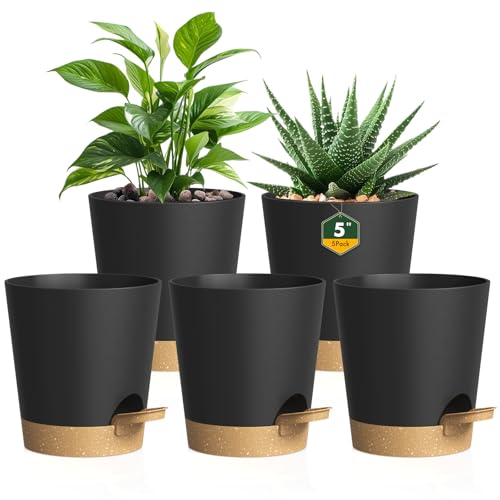
- Self-Watering Planters: These innovative planters help children learn about the importance of watering their plants. With a built-in reservoir, kids can see the water level, promoting responsibility in their gardening tasks.
Involving Kids in the Gardening Process
Encouraging children to participate in gardening goes beyond just providing stylish planters. It is essential to involve them in every step of the process. Start by letting them choose what to plant. Whether it is flowers, herbs, or vegetables, the excitement of selecting their plants can ignite a passion for gardening.
Once the plants are chosen, guide them through the planting process. Explain how to prepare the soil, plant the seeds, and water them properly. Incorporating fun facts about the plants they are growing can enhance their learning experience. For instance, if they plant tomatoes, share interesting information about their growth cycle and how they can be used in cooking.
People Also Look For:
- Tribesigns 5-Tier Tall Indoor Plant Stand, 70.9 inches Large Metal Plant Shelf with 10PC S Hanging Hooks, Multi-Purpose Flower Bon...
- HDKAJL 20Pcs Small Terracotta Plant Pots, 4.8cm Mini Flower Pots,Small Ceramic Plant Pots with Drain Hole, Tiny Terracotta Pots fo...
- 2pcs Glaze Bonsai Pots Ceramic Modern Glaze Succulent Planter Pot with Drainage Hole Vintage Bonsai Mini Glazed Pots Cactus Flower...
- YouGarden Hydrangea \'Runaway Bride\' (Approx 20/25cm Inc Pot). Climbing Hydrangea Plants Perfect for Pots and Hanging Baskets. Ou...
- Watering Can Indoor & Outdoor, 4 L Garden Watering Cans, Large Plastic Long-Spout Can for House Plants & Hanging Baskets - Precise...
Creating a Gardening Schedule
Establishing a regular gardening schedule helps kids understand the commitment involved in caring for their plants. In 2026, using technology can make this process even more engaging. For example, parents can use gardening apps to set reminders for watering and fertilizing plants. This not only teaches responsibility but also integrates digital tools into their gardening experience.
Additionally, consider organizing gardening days or events with friends or family. This creates a community around gardening, and kids can share their experiences, tips, and even plant swaps. Engaging in gardening with peers enhances social skills and makes the activity more enjoyable.
Gardening Education Resources
In 2026, numerous resources are available to educate children about gardening. Books specifically designed for young readers introduce them to various gardening techniques and plant care. Interactive websites and online courses offer hands-on projects and tutorials that can be followed at home or in school.
Schools are increasingly incorporating gardening into their curricula, teaching children not only about plants but also about sustainability and environmental stewardship. Programs that connect children with local farms or community gardens provide invaluable real-world experience and inspire a love for gardening.
Community Involvement and Local Gardening Events
Community involvement plays a significant role in children's gardening experiences. In 2026, many neighborhoods host gardening events that allow kids to participate in workshops, plant exchanges, and competitions. These events foster a sense of belonging and help children connect with their environment.
Encouraging participation in local gardening clubs can also provide children with mentorship opportunities. Experienced gardeners can share valuable knowledge and inspire kids to pursue their gardening interests further. In turn, children can contribute their fresh perspectives and creativity.
Choosing the Right Tools for Young Gardeners
Having the right tools is crucial for a successful gardening experience. For 2026, kid-sized gardening tools are designed to fit comfortably in small hands, making it easier for children to dig, plant, and nurture their gardens. Look for tools that are colorful, lightweight, and made from durable materials.
- Mini Shovels: These are perfect for small hands and offer a fun way for kids to dig in the soil.
- Watering Cans: Choose bright colors and designs that appeal to kids, making the watering process enjoyable.
- Gardening Gloves: Kid-sized gloves protect little hands while teaching them about safety in gardening.
Introducing children to gardening tools and how to use them safely is part of the learning process. As they become familiar with these tools, they gain confidence in their gardening abilities. This confidence translates into a greater willingness to explore different aspects of gardening.
Encouraging Creativity in the Garden
Encouraging creativity in the garden allows children to express themselves while learning. In 2026, many parents have found success in integrating art into gardening projects. For instance, creating garden markers using painted rocks or upcycled materials can be a fun activity that enhances the garden's aesthetic.
Children can also design their garden layouts, experimenting with colors and plant combinations. This not only fosters creativity but also teaches them about planning and design principles. Involving them in these decisions makes gardening a personal journey, enhancing their connection to the plants they grow.
As we explore the world of stylish planters and the joy of gardening, it becomes evident that creating a fun and engaging environment for children is essential. The journey of gardening is filled with opportunities for growth, learning, and creativity, making it an invaluable experience for kids in 2026.