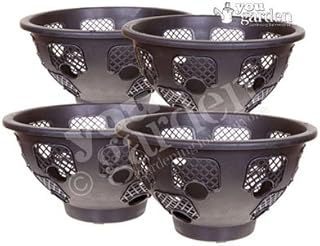
Must Have Pots for Anyone Starting a Herb Garden
Starting a herb garden in 2026 can be an exciting venture for both novice and experienced gardeners. The right pots play a crucial role in ensuring that your herbs flourish and remain healthy. With advancements in gardening technology and materials, there are numerous options available that are both functional and aesthetically pleasing. This article delves into the must have pots for anyone looking to cultivate a successful herb garden in 2026.
Choosing the Right Pot Material
When selecting pots for your herb garden, the material of the pot is one of the most important considerations. In 2026, gardeners have a variety of materials to choose from, each with its own advantages and disadvantages.
Clay Pots
Clay pots have been a staple in gardening for centuries. They are porous, allowing for good air circulation and moisture regulation. This is especially beneficial for herbs like basil and oregano that prefer well-drained soil. However, it is essential to monitor the moisture levels, as clay can dry out quickly, especially in warmer months.
Plastic Pots
Plastic pots are lightweight and come in various sizes and shapes, making them an excellent choice for indoor and outdoor herb gardens. They retain moisture better than clay pots, reducing the frequency of watering. In 2026, many plastic pots are now made from recycled materials, making them an eco-friendly option. However, ensure the pots have adequate drainage holes to prevent root rot.
Metal Pots
Metal pots can add a modern touch to your herb garden. They are durable and can withstand various weather conditions. However, in 2026, it is crucial to choose insulated metal pots to prevent overheating of the soil during intense sunlight or hot weather. Insulation helps maintain a consistent temperature for the roots.
People Also Look For:
- 3 Pcs Small Hanging Baskets, Wall Storage Baskets, Foldable Wall Hanging Basket, Cotton Linen Storage Basket, Hanging Storage Bag ...
- Garden Mile 12\" Rattan Cone Garden Hanging Baskets Indoor/Outdoor Hanging Planter Plant Pots Rattan Wicker Hanging Basket (Four B...
- Unibos Home and Garden 2 x Hanging Baskets 16\" Inch (40cm) Green Wire Plant Holder
- LATERN 6 Pack 5 Gallons Plant Growing Bags, Nonwoven Fabric Breathable Grow Bags Heavy Duty Thickened Root Aeration Garden Pots Co...
- Garden Mile 12\" Rattan Cone Garden Hanging Baskets Indoor/Outdoor Hanging Planter Plant Pots Rattan Wicker Hanging Basket (Four B...
Sizes and Shapes of Pots
The size and shape of your pots greatly influence the growth of your herbs. Different herbs have varying root structures and growth habits, requiring specific pot dimensions.
Small Pots for Compact Herbs
For compact herbs like thyme and chives, small pots ranging from four to six inches in diameter are ideal. These pots are perfect for window sills or small outdoor spaces. In 2026, vertical gardening techniques also encourage the use of small pots stacked or arranged creatively to maximize space.
Medium Pots for Varied Growth
Medium pots, typically eight to twelve inches in diameter, are suitable for herbs that require more room to grow. Herbs like parsley and cilantro benefit from these sizes as they have deeper roots. When planting in medium pots, ensure you space the plants appropriately to avoid overcrowding.
Large Pots for Generous Growth
Large pots are necessary for herbs that tend to spread, such as mint and lemon balm. These pots should ideally be at least twelve inches in diameter. In 2026, many gardeners opt for large, decorative pots that can serve as focal points in their garden while providing ample space for root development.
Drainage and Watering Considerations
Drainage is a critical aspect of successful herb gardening. In 2026, many pot manufacturers have recognized the importance of drainage and have designed pots with innovative features to enhance water management.
Importance of Drainage Holes
All pots should have drainage holes to allow excess water to escape. This helps prevent root rot, a common issue for herb gardeners. When choosing pots, check for multiple drainage holes at the bottom. Some gardeners even opt for pots with built-in drainage trays to catch excess water.
Self-Watering Pots
Self-watering pots have gained popularity in recent years. They come with a reservoir at the bottom that provides a consistent supply of moisture to the herbs. This is especially beneficial for busy gardeners or those who travel frequently. In 2026, self-watering pots are available in various designs, making them both practical and stylish.
Herb Garden Organization and Aesthetics
In 2026, organizing your herb garden not only enhances functionality but also improves the visual appeal of your gardening space. Proper organization ensures that each herb has adequate access to sunlight and air, promoting healthy growth.
Grouping Herbs by Watering Needs
When planning your herb garden, group herbs with similar watering needs together. For example, drought-tolerant herbs like rosemary can be planted in one area, while moisture-loving herbs like basil can be in a separate section. This method simplifies care and ensures that each plant thrives.
Decorative and Functional Arrangements
Consider using decorative pots that complement your garden's overall aesthetic. In 2026, there are many options available that blend functionality with style. Vertical planters, hanging pots, and tiered arrangements can create an eye-catching display while maximizing space. These arrangements not only serve as a beautiful addition to your home but also make harvesting and caring for your herbs easier.
As you embark on your herb gardening journey in 2026, remember that the choice of pots is integral to the success of your garden. By selecting the right materials, sizes, and arrangements, you can create a thriving environment for your herbs. With the advancements in gardening technology and design, your herb garden can be both productive and visually appealing, allowing you to enjoy fresh herbs throughout the season.